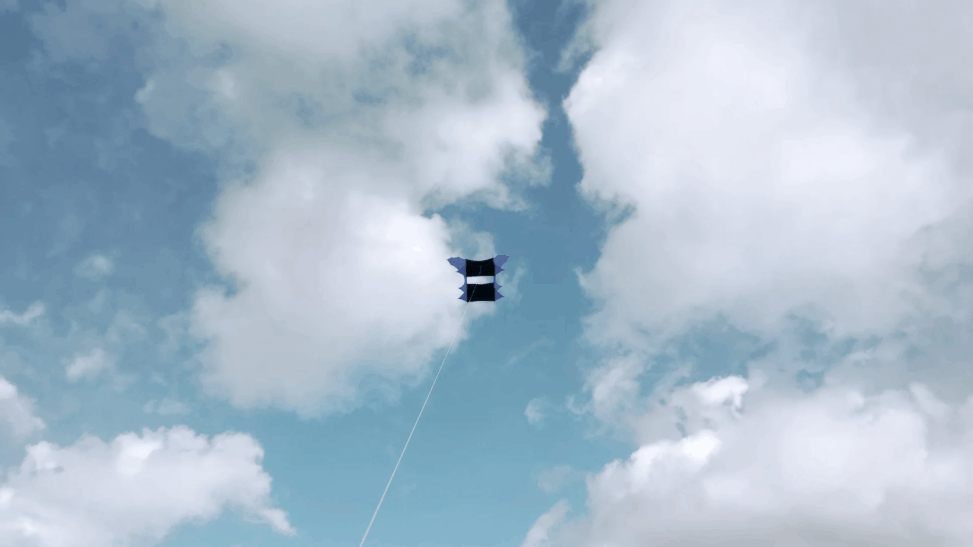
This project re-imagines what it means to sense and make sense of our changing environment, employing artistic research, speculative media design, and a mixture of contemporary and historical technologies, in seeking to realise an alternative vision of how we may come to know and narrate shifts in climate and ecology.
Funded by the York Environmental Sustainability Institute (YESI), and in partnership with the Institute for Safe Autonomy at York (specifically with Dr James Hilder), the creative centrepiece of this project is a ‘kite drone’ that will carry aloft an AI powered sensory payload that is designed to process both visual and atmospheric data in real time.
The kite itself affords a simpler and more sustainable alternative to motorised drones for persistent aerial observation, while harking back to its historical role as a key platform for atmospheric sensing, prior to the advent of powered aviation.
Nevertheless, the core technical focus of this project is not so much the kite platform in itself, but on the sensory payload and the outputs it can generate.

From AI to Environmental Intelligence
The use of AI technologies specifically, as a means of processing the data is deliberate choice as part of a reflexive, practice-led investigation into both its utility but also to interrogate the persistent gap between climate data as a numerical construction versus the felt experiences – affective, incommensurate, uncertain – of the changes being indicated. Moving beyond gathering standard telemetry, the AI aboard the kite is tasked with a highly speculative function: using its multimodal capabilities to compare and correlate real-time environmental data with a stored library of literary and social accounts of climate and ecology. The system therefore does not simply log the information detected by its sensors, but searches for narrative and imaginative resonances between the numerical registers yielded, the material processes and transformations behind them, and written human reflections concerning our relationships to a changing planet.
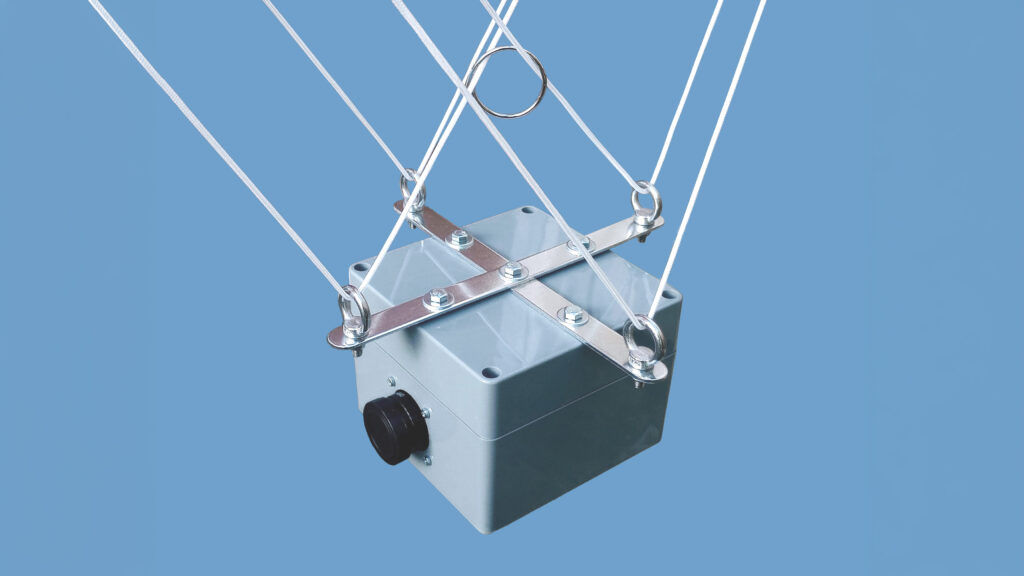
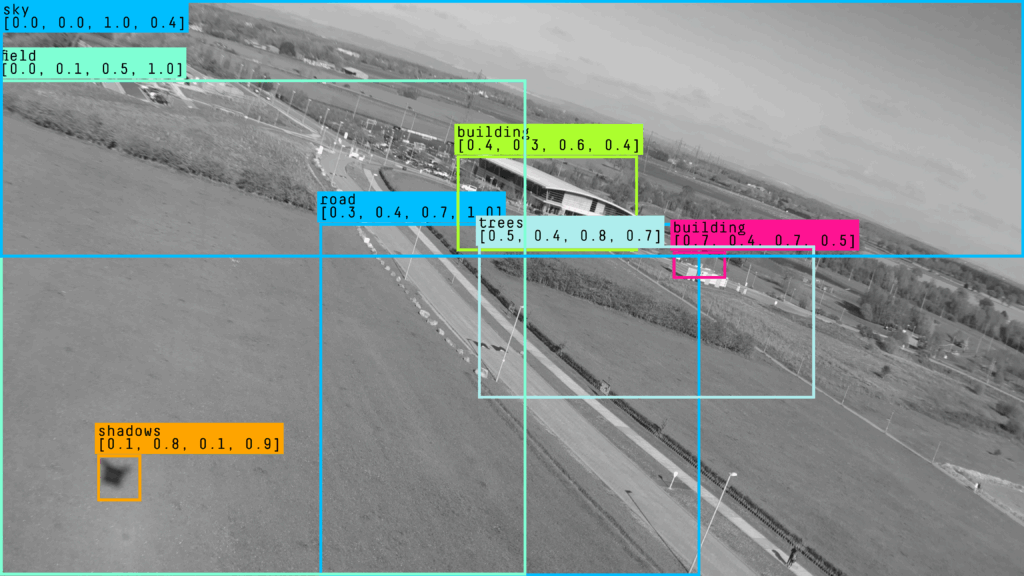
While the principal vector of this project is ultimately artistic rather than scientific, the project will assess the technical potentials of using low-powered, low-footprint AI systems to perform complex data correlations in real time, and so consider what the future may hold in this regard.
Exhibition
In June 2026, some of the initial work on Kite Drone was exhibited at the University of York as part of the York Festival of Ideas.

